Category Archives: Car Audio

Car Speaker Placement 101: Where to Put Your Speakers for the Best Sound

Achieving the perfect in-car audio experience involves understanding the science of sound and meticulously positioning your speakers. Here’s a comprehensive guide to help you optimize your car’s audio system:

1. Assess Your Vehicle’s Acoustic Environment:

  • Understand Materials and Layout: Recognize that your car’s interior materials and design affect how sound waves behave. Surfaces like windows and upholstery can absorb or reflect sound, influencing audio clarity. (automotivequest.com)

2. Front Door Speakers:

  • Placement: Install speakers in the front door panels, angled towards the listener.
  • Benefits: This positioning offers optimal sound staging, projecting sound directly and enhancing clarity and depth. (automotivequest.com)

3. Tweeters:

  • Placement: Mount tweeters on the A-pillars or upper sections of the door panels, near ear level.
  • Benefits: Elevated tweeters improve high-frequency sound dispersion, resulting in a more detailed and immersive audio experience. (automotivequest.com)

4. Rear Speakers:

  • Placement: Position rear speakers on the rear deck or in the rear doors.
  • Benefits: Proper rear speaker placement enhances sound depth and envelopment, contributing to a balanced and immersive audio environment. (5core.com)

5. Subwoofers:

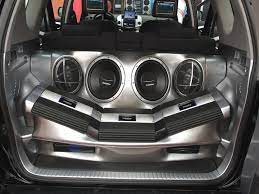
  • Placement: Install subwoofers in the trunk or under seats, ensuring they are securely mounted.
  • Benefits: Proper subwoofer placement delivers impactful bass response without causing unwanted vibrations or resonance. (improvecaraudio.com)

6. Phase Alignment and Time Correction:

  • Technique: Adjust settings to ensure sound waves from all speakers reach the listener simultaneously.
  • Benefits: Proper alignment prevents phase cancellation, leading to a more cohesive and realistic soundstage. (thetechylife.com)

7. Sound Deadening:

  • Implementation: Apply sound-deadening materials to doors, floors, and panels.
  • Benefits: These materials reduce vibrations and external noise, allowing for a cleaner and more accurate sound reproduction. (automotivequest.com)

8. Professional Installation and Tuning:

  • Recommendation: Consult with a professional installer to assess your vehicle’s unique acoustics and recommend optimal speaker placement.
  • Benefits: Expert installation ensures that all components are positioned and tuned correctly, maximizing the performance of your audio system. (improvecaraudio.com)

By thoughtfully considering each speaker’s placement and orientation, you can transform your car’s audio system into a high-fidelity sound environment, making every drive a concert-like experience.

Optimizing Car Audio: The Best Speaker Placement for Superior Sound Quality

Achieving superior sound quality in your car’s audio system hinges significantly on the strategic placement of speakers. Proper positioning not only enhances clarity and depth but also creates an immersive listening experience. Here’s a guide to optimizing speaker placement in your vehicle:

1. Front Door Speakers:

  • Positioning: Install speakers in the lower front door panels, angled towards the occupants.
  • Benefits: This placement ensures a direct sound path, enhancing clarity and creating a cohesive soundstage. (automotivequest.com)

2. Tweeters:

  • Positioning: Mount tweeters on the A-pillars or upper door panels, close to ear level.
  • Benefits: Elevated placement improves high-frequency sound dispersion, resulting in a more detailed and immersive audio experience. (automotivequest.com)

3. Rear Speakers:

  • Positioning: Place rear speakers on the rear deck or upper rear door panels.
  • Benefits: Proper rear speaker placement enhances sound depth and envelopment, contributing to a balanced and immersive audio environment. (automotivequest.com)

4. Subwoofers:

  • Positioning: Install subwoofers in the trunk or under seats, ensuring they are securely mounted.
  • Benefits: Proper subwoofer placement delivers impactful bass response without causing unwanted vibrations or resonance. (automotivequest.com)

5. Sound Deadening:

  • Implementation: Apply sound-deadening materials to doors, floors, and panels.
  • Benefits: These materials reduce vibrations and external noise, allowing for a cleaner and more accurate sound reproduction. (automotivequest.com)

6. Professional Installation:

  • Recommendation: Consult with a professional installer to assess your vehicle’s unique acoustics and recommend optimal speaker placement.
  • Benefits: Expert installation ensures that all components are positioned and tuned correctly, maximizing the performance of your audio system. (automotivequest.com)

By thoughtfully considering each speaker’s placement and orientation, you can transform your car’s audio system into a high-fidelity sound environment, making every drive a concert-like experience.

Maximizing Your Car’s Audio: Choosing the Best Sound System for Ultimate Performance

Enhancing your car’s audio system can significantly improve your driving experience. To achieve ultimate performance, consider the following key factors:

1. Upgrade Factory Speakers:

  • Why: Factory-installed speakers often lack depth and clarity. Replacing them with high-quality aftermarket speakers can significantly improve sound performance.
  • Recommendation: Consider investing in component speakers for enhanced audio fidelity.

2. Install a Dedicated Amplifier:

  • Why: An amplifier provides the necessary power to drive speakers effectively, reducing distortion and delivering clearer sound, especially at higher volumes.
  • Recommendation: Choose an amplifier that matches your speakers’ power requirements to ensure optimal performance.

3. Add a Subwoofer:

  • Why: Subwoofers reproduce low-frequency sounds, adding depth and richness to your music that standard speakers might not handle efficiently.
  • Recommendation: Select a subwoofer that fits your vehicle’s space and complements your existing speakers.

4. Utilize Sound Deadening Materials:

  • Why: These materials reduce vibrations and external noise, creating a quieter cabin environment that enhances audio clarity.
  • Recommendation: Apply sound-dampening materials to doors, floors, and panels to minimize unwanted noise.

5. Choose a Quality Head Unit:

  • Why: The head unit serves as the control center of your audio system. A quality unit offers better sound processing and additional features like Bluetooth connectivity and smartphone integration.
  • Recommendation: Opt for a head unit with high-resolution audio support and user-friendly controls.

6. Use High-Quality Audio Files:

  • Why: Compressed audio files can lose detail, affecting sound quality. Using high-resolution audio files ensures a richer listening experience.
  • Recommendation: Prefer formats like FLAC or WAV over heavily compressed ones like MP3.

7. Ensure Proper Installation:

  • Why: Even the best equipment can underperform if not installed correctly. Proper installation ensures all components work harmoniously.
  • Recommendation: Consider professional installation or follow detailed guides to ensure optimal setup.

8. Tune Your System:

  • Why: Fine-tuning your audio system tailors the sound to your preferences and vehicle acoustics, enhancing the overall listening experience.
  • Recommendation: Use equalizers and sound processors to adjust frequencies and balance.

By focusing on these aspects, you can significantly enhance your car’s audio quality, making every drive more enjoyable.

The 2025 Car Sound System Trends: What You Need to Know Before Upgrading

As we move further into 2025, car audio systems are undergoing significant transformations, integrating advanced technologies to enhance the driving experience. If you’re considering upgrading your vehicle’s sound system, here are the key trends to be aware of:

1. Artificial Intelligence (AI) and Personalization:

  • Adaptive Sound Settings: Modern car audio systems are leveraging AI to automatically adjust audio settings based on user preferences and driving conditions, providing a tailored listening experience. (autostoday.com)

2. Wireless Connectivity and Integration:

  • Seamless Smartphone Integration: The elimination of cables is becoming standard, with systems like wireless Apple CarPlay and Android Auto allowing for automatic connection and enhanced safety by reducing driver distraction. (jensenmobile.com)

3. High-Resolution and 3D Audio:

  • Immersive Sound Experiences: The adoption of high-resolution audio formats and 3D sound technologies is providing drivers with concert-like experiences, making them feel as if they’re in the middle of a live performance. (caraudionow.com)

4. Integration with Smart Home and IoT Devices:

  • Unified Ecosystems: Future car audio systems are expected to sync seamlessly with smart home devices, allowing users to transition their audio experience from home to car without interruption. (vehiclereport.com)

5. Enhanced Safety Features:

  • Audio-Based Alerts: Innovative safety features are being integrated into car audio systems, such as monitoring driver fatigue and providing timely alerts to ensure safety during long drives. (caraudionow.com)

6. Growth of the Car Audio Market:

  • Expanding Industry: The car audio market is projected to grow from $10.28 billion in 2024 to $11.09 billion in 2025, reflecting a compound annual growth rate (CAGR) of 8.0%. (thebusinessresearchcompany.com)

7. Elimination of Traditional Formats:

  • Phasing Out of CD Players: The automotive industry is moving away from traditional CD players, with new vehicles focusing on streaming and digital formats, marking the end of an era for physical media in cars. (theguardian.com)

8. Advanced Infotainment Systems:

  • AI-Powered Assistants: Infotainment systems are incorporating advanced AI assistants capable of understanding natural language and complex commands, enhancing hands-free control and overall user experience. (circuitistereo.com)

When planning to upgrade your car’s audio system, considering these trends will ensure that your investment aligns with the latest technological advancements, providing a modern and enhanced driving experience.

How to Enhance Your Car’s Sound: Expert Tips for Choosing the Right Audio Equipment

Enhancing your car’s audio system involves thoughtful selection and integration of various components to achieve superior sound quality. Here are expert tips to guide you in choosing the right audio equipment:

1. Upgrade Factory Speakers:

  • Why: Factory-installed speakers often lack depth and clarity. Replacing them with high-quality aftermarket speakers can significantly improve sound performance.
  • Recommendation: Consider investing in component speakers for enhanced audio fidelity. (improvecaraudio.com)

2. Install a Dedicated Amplifier:

  • Why: An amplifier provides the necessary power to drive speakers effectively, reducing distortion and delivering clearer sound, especially at higher volumes.
  • Recommendation: Choose an amplifier that matches your speakers’ power requirements to ensure optimal performance. (audiointensity.com)

3. Add a Subwoofer:

  • Why: Subwoofers reproduce low-frequency sounds, adding depth and richness to your music that standard speakers might not handle efficiently.
  • Recommendation: Select a subwoofer that fits your vehicle’s space and complements your existing speakers. (descriptive.audio)

4. Utilize Sound Deadening Materials:

  • Why: These materials reduce vibrations and external noise, creating a quieter cabin environment that enhances audio clarity.
  • Recommendation: Apply sound-dampening materials to doors, floors, and panels to minimize unwanted noise. (audiolover.com)

5. Choose a Quality Head Unit:

  • Why: The head unit serves as the control center of your audio system. A quality unit offers better sound processing and additional features like Bluetooth connectivity and smartphone integration.
  • Recommendation: Opt for a head unit with high-resolution audio support and user-friendly controls. (caraudioadvice.com)

6. Use High-Quality Audio Files:

  • Why: Compressed audio files can lose detail, affecting sound quality. Using high-resolution audio files ensures a richer listening experience.
  • Recommendation: Prefer formats like FLAC or WAV over heavily compressed ones like MP3. (ramindustries.com)

7. Ensure Proper Installation:

  • Why: Even the best equipment can underperform if not installed correctly. Proper installation ensures all components work harmoniously.
  • Recommendation: Consider professional installation or follow detailed guides to ensure optimal setup. (bestcaraudio.com)

8. Tune Your System:

  • Why: Fine-tuning your audio system tailors the sound to your preferences and vehicle acoustics, enhancing the overall listening experience.
  • Recommendation: Use equalizers and sound processors to adjust frequencies and balance. (descriptive.audio)

By focusing on these aspects, you can significantly enhance your car’s audio quality, making every drive more enjoyable.

Best Car Sound Systems for Every Budget: A Complete Shopper’s Guide

Upgrading your car’s audio system can significantly enhance your driving experience, and there are excellent options available to suit various budgets. Here’s a guide to some top-rated car stereos across different price ranges:

Budget-Friendly Options (Under $100):

BOSS Audio Systems 616UAB Multimedia Car Stereo - Single Din LCD ...

BOSS Audio Systems 616UAB Car Stereo
This single-DIN stereo offers Bluetooth connectivity for hands-free calling and wireless music streaming. It supports multiple playback modes, including USB and auxiliary inputs, and features a built-in microphone with noise reduction technology. (themotorguy.com)

Amazon.com: Pioneer MVH-S230BT Bluetooth Car Stereo with USB Inputs and ...

Pioneer MVH-S230BT Digital Media Receiver
Known for its reliable performance, this stereo features Bluetooth connectivity, USB inputs, and smartphone compatibility. Its compact design fits various car interiors, and it offers high-quality audio performance. (budgethit.com)

Mid-Range Options ($100 – $300):

ATOTO F7 Standard 10.1 inch F7G211SE Car Stereo - YouTube

ATOTO F7 Standard Double-DIN Car Stereo
This stereo is compatible with both Android Auto and Apple CarPlay, offering multiple input options, including Bluetooth, USB, and AUX. It also supports front and rearview camera inputs and features an AutoLink option for screen mirroring. (99carstereo.com)

Sony XAV-AX3200 Unbox, Feature Review & Demo - CarAudioNow

Sony XAV-AX3200 6.95″ Bluetooth Media Receiver
This stereo provides a clear resistive touchscreen, compatibility with both Android Auto and Apple CarPlay, and an easy-to-use interface. It’s a great value option for those seeking modern features without a premium price tag. (worldwidestereo.com)

Premium Options (Above $300):

Kenwood Excelon DNX997XR -6.8" Navigation/DVD Receiver with Wireless A ...

Kenwood DNX997XR 6.8″ CD/DVD Touchscreen Receiver
This fully-loaded touchscreen stereo features built-in Garmin navigation, Apple CarPlay, Android Auto, and superb sound quality. Its capacitive touchscreen offers a responsive and intuitive user experience. (worldwidestereo.com)

Amazon.com: Sony XAV-AX6000 7" 2-DIN Car Stereo + Backup Camera ...

Sony XAV-AX6000 Digital Multimedia Receiver
This stereo offers superior sound customization, ease of use, and a modern design. It supports wireless audio streaming and delivers excellent audio performance, making it a top choice for audiophiles. (musiccritic.com)

When selecting a car stereo, consider factors such as compatibility with your vehicle, desired features (e.g., Bluetooth connectivity, smartphone integration), and installation requirements. Investing in a quality car audio system can significantly enhance your in-car entertainment experience, making every drive more enjoyable.

Choosing the Right Car Audio System: Factors to Consider Before You Buy

Selecting the right car audio system is crucial for enhancing your driving experience. Here are key factors to consider before making a purchase:

1. Compatibility with Your Vehicle:

  • Dashboard Space: Ensure the new stereo fits your car’s dashboard design, considering single or double DIN configurations. (audiolover.com)
  • Integration: Check that the system is compatible with your vehicle’s existing electronics and controls. (nortoncarstereo.com)

2. Sound Quality:

  • Audio Preferences: Identify your desired sound characteristics, such as deep bass or clear treble, to select appropriate components. (caraudioadvice.com)
  • Speaker Quality: Invest in high-quality speakers made from durable materials for better sound reproduction. (sorenacaraudio.com)

3. Features and Connectivity:

  • Modern Features: Look for systems with Bluetooth, USB ports, and smartphone integration for hands-free calling and audio streaming. (caraudiocentre.co.uk)
  • Advanced Options: Consider additional features like GPS navigation, HD Radio, and compatibility with apps like Spotify or Apple Music. (masterscarstereo.com)

4. Power Output:

  • Amplification Needs: Ensure the system’s power output matches your speakers’ requirements to prevent distortion and achieve desired volume levels. (audiolover.com)

5. Budget Considerations:

  • Cost Planning: Determine a budget that balances desired features and sound quality, keeping in mind that prices can range from under $100 to several thousand dollars. (autozone.com)

6. Installation and Maintenance:

  • Professional Installation: Consider having the system installed by professionals to ensure optimal performance and integration. (bestcaraudio.com)
  • Ongoing Care: Regular maintenance can prolong the system’s lifespan and maintain sound quality. (masterscarstereo.com)

By carefully evaluating these factors, you can select a car audio system that aligns with your preferences and enhances your in-car entertainment experience.

How to Pick the Perfect Car Sound System: A Step-by-Step Buying Guide

Enhancing your car’s audio system can significantly improve your driving experience. Here’s a step-by-step guide to help you select the perfect sound system for your vehicle:

1. Define Your Audio Preferences and Budget:

  • Music Genres: Identify the types of music you frequently listen to, as this influences the components you’ll need.
  • Budget: Determine how much you’re willing to spend to guide your choices. (sorenacaraudio.com)

2. Evaluate Your Vehicle’s Acoustic Environment:

  • Interior Materials: Recognize that materials like leather or fabric can affect sound absorption and reflection.
  • Speaker Locations: Note existing speaker placements to understand potential upgrades.

3. Select the Right Head Unit (Stereo Receiver):

  • Features: Consider connectivity options like Bluetooth, USB ports, and smartphone integration.
  • Size Compatibility: Ensure the head unit fits your dashboard’s design (single DIN or double DIN). (masterscarstereo.com)

4. Choose Quality Speakers:

  • Component vs. Coaxial: Decide between component speakers for superior sound separation or coaxial speakers for easier installation.
  • Power Handling: Match speakers to your head unit or amplifier’s power output to prevent distortion. (mobileaudio.com.au)

5. Incorporate an Amplifier:

  • Purpose: An amplifier provides cleaner power, enhancing overall sound clarity and volume.
  • Channels: Choose an amplifier with enough channels to support all your speakers and subwoofers. (bestcaraudio.com)

6. Add a Subwoofer:

  • Bass Enhancement: Subwoofers deliver deep bass, enriching your music’s depth.
  • Enclosure Types: Select between sealed for tight bass or ported for louder, booming bass. (autostereoguide.com)

7. Use Sound Deadening Materials:

  • Noise Reduction: Install materials like damping mats to minimize road noise and vibrations, improving sound clarity. (automotivequest.com)

8. Upgrade Wiring and Connections:

  • Quality Cables: Invest in high-quality wiring to ensure efficient power and signal transmission.
  • Secure Connections: Properly connect and insulate all wiring to prevent signal loss or interference. (automotivequest.com)

9. Plan for Professional Installation:

  • Expertise: Consider hiring professionals to ensure components are installed correctly and safely.
  • Calibration: Professionals can fine-tune your system for optimal performance. (garageaudio.com.au)

10. Regular Maintenance:

  • System Checks: Periodically inspect connections and components for wear or damage.
  • Software Updates: Keep your head unit’s firmware updated to maintain compatibility with new devices.

By following these steps, you can create a car audio system tailored to your preferences, ensuring an enjoyable and immersive listening experience on the road.

The Ultimate Guide to Car Audio: Selecting the Best Sound System for Your Ride

Enhancing your car’s audio system can significantly improve your driving experience. Here’s a comprehensive guide to help you select the best sound system for your vehicle:

1. Assess Your Current Audio System:

  • Identify Weaknesses: Determine which aspects of your current setup—such as clarity, bass response, or connectivity—need improvement.
  • Set a Budget: Establish a realistic budget to guide your upgrade decisions.

2. Upgrade the Head Unit (Stereo Receiver):

  • Features to Consider:
    • Connectivity: Look for Bluetooth, USB ports, and smartphone integration (e.g., Apple CarPlay, Android Auto).
    • Display: Choose between single-DIN or double-DIN units based on your dashboard space and desired features like touchscreen controls.
    • Audio Formats: Ensure compatibility with various audio formats, including MP3, AAC, and FLAC.

3. Replace Factory Speakers:

  • Types of Speakers:
    • Coaxial (Full-Range): Combine multiple speaker elements in one unit; easier to install.
    • Component: Separate drivers for highs, mids, and lows; offer superior sound quality but may require professional installation.
  • Considerations:
    • Size and Fit: Ensure new speakers match your vehicle’s specifications.
    • Power Handling: Match speaker power ratings with your head unit or amplifier to prevent damage and ensure optimal performance.

4. Add an Amplifier:

  • Benefits:
    • Enhanced Sound Quality: Provides cleaner power to speakers, reducing distortion.
    • Increased Volume: Allows for higher volume levels without compromising clarity.
  • Types:
    • Multi-Channel Amplifiers: Ideal for powering multiple speakers and subwoofers.
    • Mono Amplifiers: Designed specifically for subwoofers.

5. Install a Subwoofer:

  • Purpose: Reproduces low-frequency sounds, adding depth to your music.
  • Considerations:
    • Size and Enclosure: Choose a subwoofer that fits your vehicle and meets your bass preferences.
    • Power Requirements: Ensure your amplifier can adequately power the subwoofer.

6. Utilize Sound Deadening Materials:

  • Benefits: Reduces road noise and vibrations, leading to a quieter cabin and improved audio clarity.
  • Application Areas: Doors, floor pans, and trunk areas are common places to apply these materials.

7. Consider a Digital Sound Processor (DSP):

  • Function: Allows for precise tuning of your audio system to match your vehicle’s acoustics.
  • Benefits: Improves sound staging and corrects frequency response issues.

8. Upgrade Wiring and Connections:

  • Why: High-quality wires and connectors ensure efficient signal transmission and reduce the risk of interference.
  • Focus Areas: Speaker wires, power cables, and grounding connections.

9. Ensure Proper Installation:

  • Professional vs. DIY: While some upgrades can be done personally, complex installations (like component speakers or multiple amplifiers) may require professional expertise.
  • Calibration: After installation, calibrate your system to balance frequencies and optimize sound quality.

10. Regular Maintenance:

  • Cleaning: Keep components free from dust and debris.
  • Software Updates: For head units with firmware, ensure they are up-to-date to maintain functionality and compatibility.

By systematically assessing your needs and considering the components above, you can create a car audio system that offers exceptional sound quality tailored to your preferences.

Top 10 Sound System Upgrades for Your Car: How to Choose the Best Audio Gear

Enhancing your car’s audio system can significantly improve your driving experience. Here’s a guide to the top 10 sound system upgrades and tips on selecting the best audio gear:

  1. Upgrade the Head Unit (Stereo Receiver): The head unit is the control center of your car’s audio system. Modern receivers offer features like touchscreen interfaces, smartphone integration (Apple CarPlay, Android Auto), Bluetooth connectivity, and advanced sound processing. (autozone.com)
  2. Replace Factory Speakers: Stock speakers often lack clarity and depth. Upgrading to high-quality aftermarket speakers can enhance sound clarity and range. Consider component speakers for better sound separation. (caraudioadvice.com)
  3. Add a Dedicated Amplifier: An amplifier provides the necessary power to drive your speakers and subwoofers, resulting in clearer sound at higher volumes without distortion. (audiointensity.com)
  4. Install a Subwoofer: Subwoofers handle low-frequency sounds, adding depth and richness to your music. They relieve main speakers from producing bass, allowing for a more balanced sound. (mycarmakesnoise.com)
  5. Sound Deadening Materials: Applying sound-deadening materials to your car’s interior panels reduces road noise and vibrations, resulting in a quieter cabin and improved audio clarity. (audiointensity.com)
  6. Upgrade Speaker Wires: High-quality speaker wires ensure efficient signal transmission, leading to better sound quality. (audiointensity.com)
  7. Add a Digital Sound Processor (DSP): A DSP allows fine-tuning of audio signals, correcting timing issues and tailoring sound to your vehicle’s acoustics. (audiointensity.com)
  8. Install High-Quality Tweeters: Tweeters handle high-frequency sounds, providing clarity and detail to vocals and instruments. Proper placement enhances the soundstage. (caraudioadvice.com)
  9. Upgrade Power Supply: A robust power supply ensures consistent performance of your audio components, especially when adding amplifiers and subwoofers. (audiointensity.com)
  10. Consider HD Radio or Satellite Radio: Upgrading to HD Radio provides better sound quality and access to more content without a subscription. (lifewire.com)

Tips for Choosing the Best Audio Gear:

  • Assess Your Needs and Budget: Determine what aspects of your current system you’re dissatisfied with and how much you’re willing to invest.
  • Research Compatibility: Ensure new components are compatible with your vehicle’s make and model.
  • Prioritize Quality Over Brand: While brand reputation can be a factor, focus on the quality and specifications of the components.
  • Seek Professional Installation: Proper installation is crucial for optimal performance and longevity of your audio system.

By thoughtfully selecting and installing these upgrades, you can create a customized audio experience that transforms every drive into a concert-like journey.