Category Archives: Audio / Sound System

The Best Modern Audio Brands You Should Consider

The best modern audio brands you should consider

1. SVS (Specialized Voice Systems)

SVS is widely regarded as a premier direct-to-consumer subwoofer manufacturer, known for deep low-frequency extension, exceptional DSP tuning, and smartphone app controls.
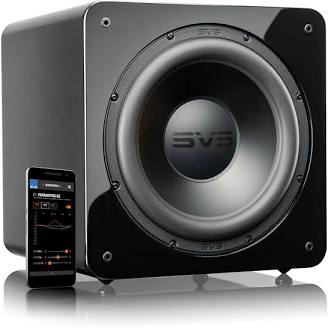
SVS SB-2000 Pro 12″ Front-Firing Sealed Subwoofer-Black Ash

IDR 18,351,000

Kronos AV

4.7 stars rating4.7 (3)

The SVS SB-2000 Pro delivers accurate, tight bass response for both music and movies while offering convenient custom parametric EQ tuning directly from your mobile device.

2. Monoprice (Monolith Series)

Monoprice Monolith subwoofers focus on maximum THX-certified performance per dollar, featuring ultra-low distortion, massive power capacity, and heavy-duty cabinet construction.

These subwoofers are engineered for pure output headroom and flat frequency response, making them an absolute favorite for dedicated home theaters.

3. Klipsch

Klipsch subwoofers are celebrated for their striking copper Cerametallic drivers, high efficiency, and dynamic attack, providing punchy bass for home entertainment setups.
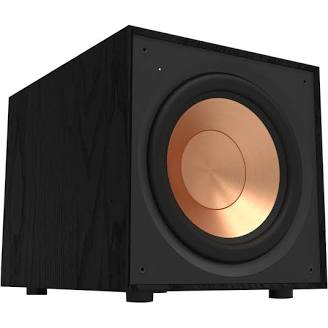
Klipsch R-101SW 10″ Subwoofer

IDR 9,585,334

Plush Technologies & more

4.8 stars rating4.8 (233)

The Klipsch R-101SW delivers energetic bass impact with a distinctive design that pairs seamlessly with Reference series home theater speakers.

4. Yamaha

Yamaha relies on proprietary Advanced YST II technology and Twisted Flare Ports to deliver tight, linear bass in compact, budget-friendly packages.
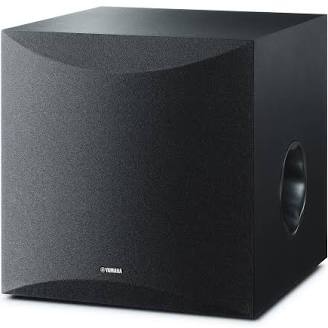
Yamaha NS-SW100 10″ Powered Subwoofer

IDR 5,682,020

Artsound and Lights

4.8 stars rating4.8 (388)
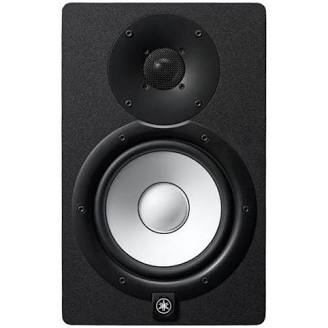
Yamaha HS8S

IDR 8,000,000

Canggu Guitar

4.9 stars rating4.9 (305)

The Yamaha NS-SW100 provides reliable room-filling low end for casual home setups, while the Yamaha HS8S offers flat, precise monitoring bass designed specifically for studio production.

Breathing New Life into Your Bass: How to Fix a Broken Plate Amplifier (DIY vs. Professional Service)

There is nothing quite like the sudden, disheartening silence—or worse, a loud, obnoxious humming noise—when your home theater subwoofer fails mid-movie. Often, the culprit isn’t the speaker driver itself, but the plate amplifier mounted on the back panel.

When your powered subwoofer stops kicking, you face a classic audiophile dilemma: Do you roll up your sleeves for a DIY weekend fix, or hand it over to a professional repair technician? Let’s break down the diagnostic steps, weigh DIY versus professional service, and help you get your low-end rumble back.

Identifying the Problem: Is It Really the Plate Amp?

Before tearing down your gear, you need to confirm that the plate amplifier is actually dead. Common signs of a failing plate amp include:

  • Zero Power: The power LED doesn’t light up, and the unit is completely unresponsive.
  • Persistent Hum or Buzz: A loud 60Hz hum regardless of whether an audio cable is plugged in.
  • Intermittent Output: The sub cuts out during heavy bass passages or when the chassis gets warm.
  • Smell of Burned Electronics: A clear indicator of blown capacitors or fried resistors.

Inspecting the rear control panel and power inputs, AI generated

Inspecting the rear control panel and power inputs. Source: illiano / Getty Images

Route A: The DIY Approach (Fixing It Yourself)

For hobbyists with basic soldering skills and a multimeter, fixing a plate amplifier can be a rewarding weekend project.

Common DIY Fixes:

  1. Blown Fuses: Always check the external fuse holder first. A simple fuse swap might solve the problem entirely.
  2. Bulging or Leaking Capacitors: Over time, electrolytic capacitors dry out or fail. Spotting and replacing swollen capacitors on the circuit board is a classic, low-cost fix.
  3. Cold Solder Joints: Vibration from powerful bass can crack solder joints over time, causing intermittent connections. Reflowing these joints with a soldering iron restores continuity.
  4. Replacing the Entire Plate Amp: If the board is heavily damaged, you can often buy a drop-in replacement plate amplifier module online that matches your subwoofer’s cabinet cutout and power rating.

Troubleshooting internal circuitry on the workbench, AI generated

Troubleshooting internal circuitry on the workbench. Source: Avalon_Studio / Getty Images

  • Pros of DIY: Highly cost-effective, great learning experience, satisfying.
  • Cons of DIY: Risk of electric shock (capacitors hold lethal voltage even when unplugged), potential for further damage, requires specialized tools.

Route B: Professional Audio Repair Service

If you aren’t comfortable handling electronics or if the plate amplifier uses complex digital signal processing (DSP) and surface-mount components, taking it to a professional shop is the safer bet.

When to Choose a Pro:

  • The amplifier features complex digital amp modules (Class D amplifiers) that are difficult to troubleshoot without schematic diagrams.
  • You lack the tools (like an oscilloscope or proper soldering station).
  • The subwoofer is high-end or under warranty, where unauthorized tampering would void manufacturer terms.
  • Pros of Professional Service: Expert diagnosis, guaranteed workmanship, safe handling of high-voltage components.
  • Cons of Professional Service: Labor costs can sometimes approach the price of buying a brand-new subwoofer.

The Verdict: Which Path Should You Choose?

FactorDIY RepairProfessional Service
CostLow (Parts only)Moderate to High (Labor + Parts)
Skill Level RequiredIntermediate to AdvancedNone (Handled by technicians)
Risk LevelHigh (Electrical shock & fire hazards)None
Turnaround TimeDepends on your free timeUsually 1 to 3 weeks

If you have basic electronics experience and a simple analog amp failure, diving into a DIY fix is a fun project that saves money. However, if safety is a concern or the electronics are advanced, let a professional breathe life back into your subwoofer so you can get back to enjoying earth-shattering bass safely.